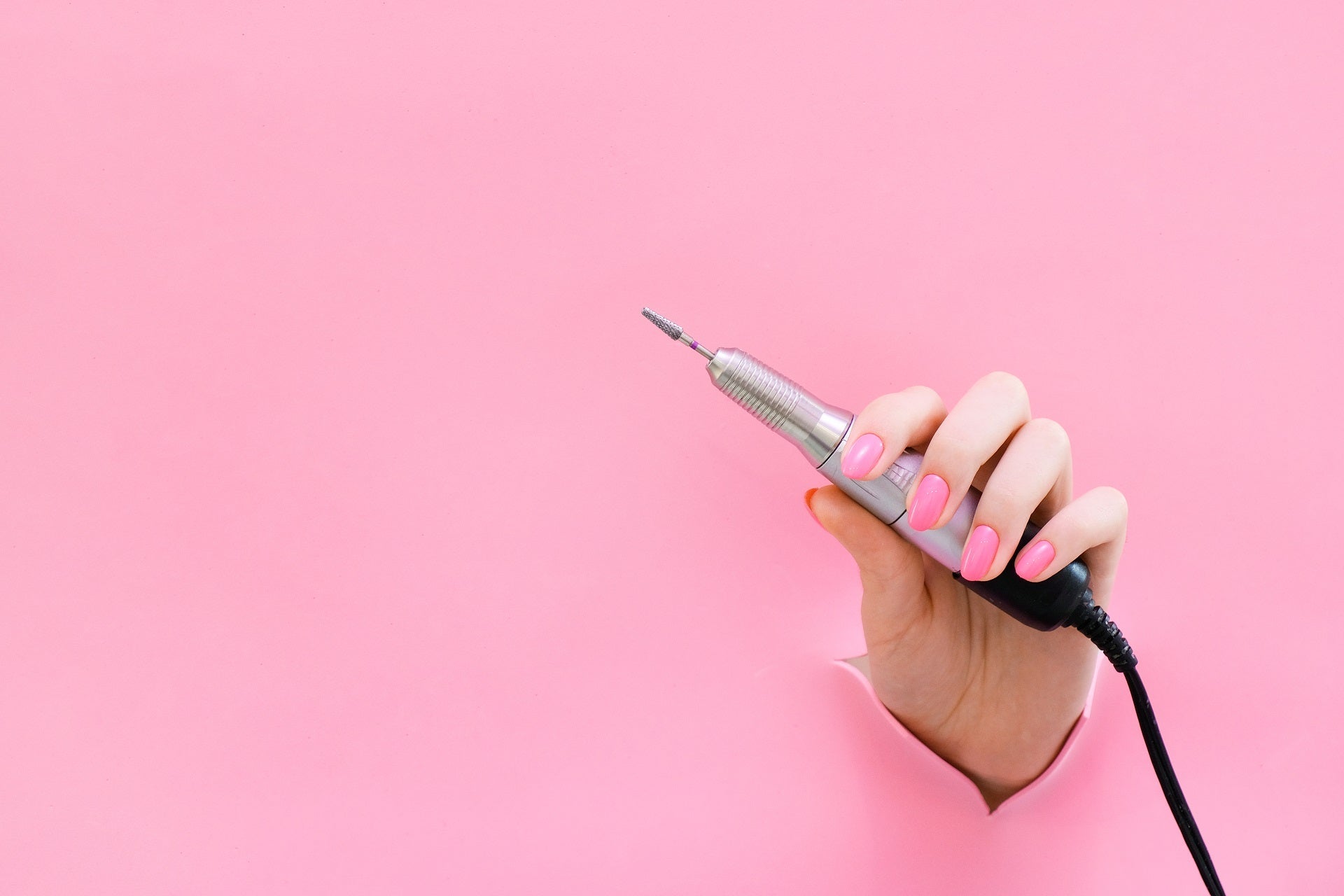
How to choose bits for a manicure?
Do you often wonder how to choose bits for a manicure? Which shape will be right? How do you work with it? How do the grits differ and what do those coloured bands mean? Let us clear up all your doubts. Above all, during styling every step must be well thought out. Why isn't nail styling as simple as it might seem?
Working with high-speed equipment such as a nail drill, we can do quite a bit of damage if we have no idea what we're doing. Every bit shape is safe as long as the "operator" is aware of what they're doing. A technician's job isn't just about beautifying; a manicure is above all a hygienic treatment. If we do it well, painting will be easier and more precise.
Bit grit
The grit worth using in everyday nail work is red and blue. During the cleaning of the plate and cuticle we move within the horny layer of the skin, removing the dead, calloused part of the epidermis. Using bits with a coarser grit, we risk damaging the skin and thus causing keratinisation disorders. Instead of smoothed skin, after a few days we'll find a picture of hyperkeratosis.
Bit shapes and their uses
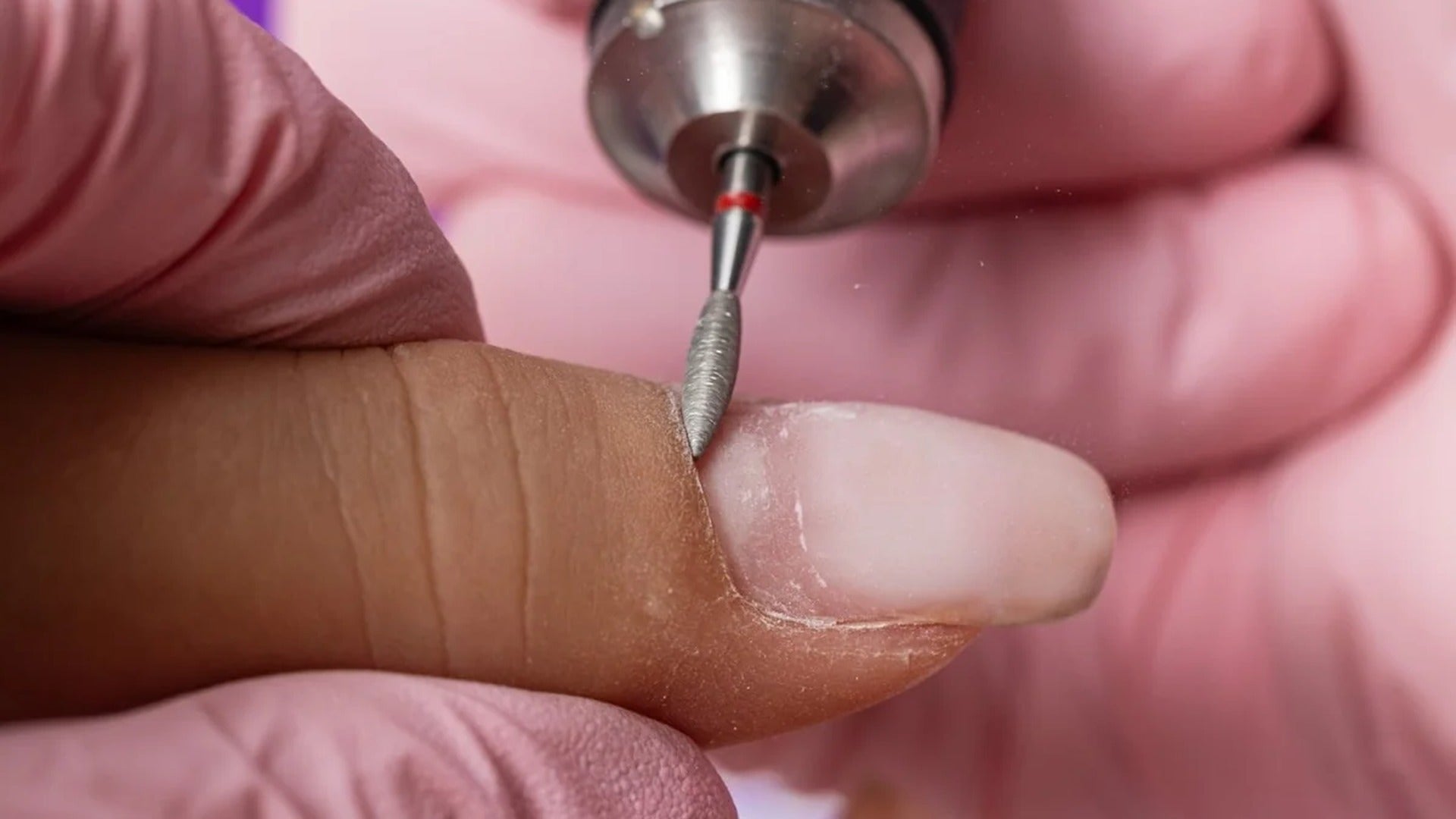
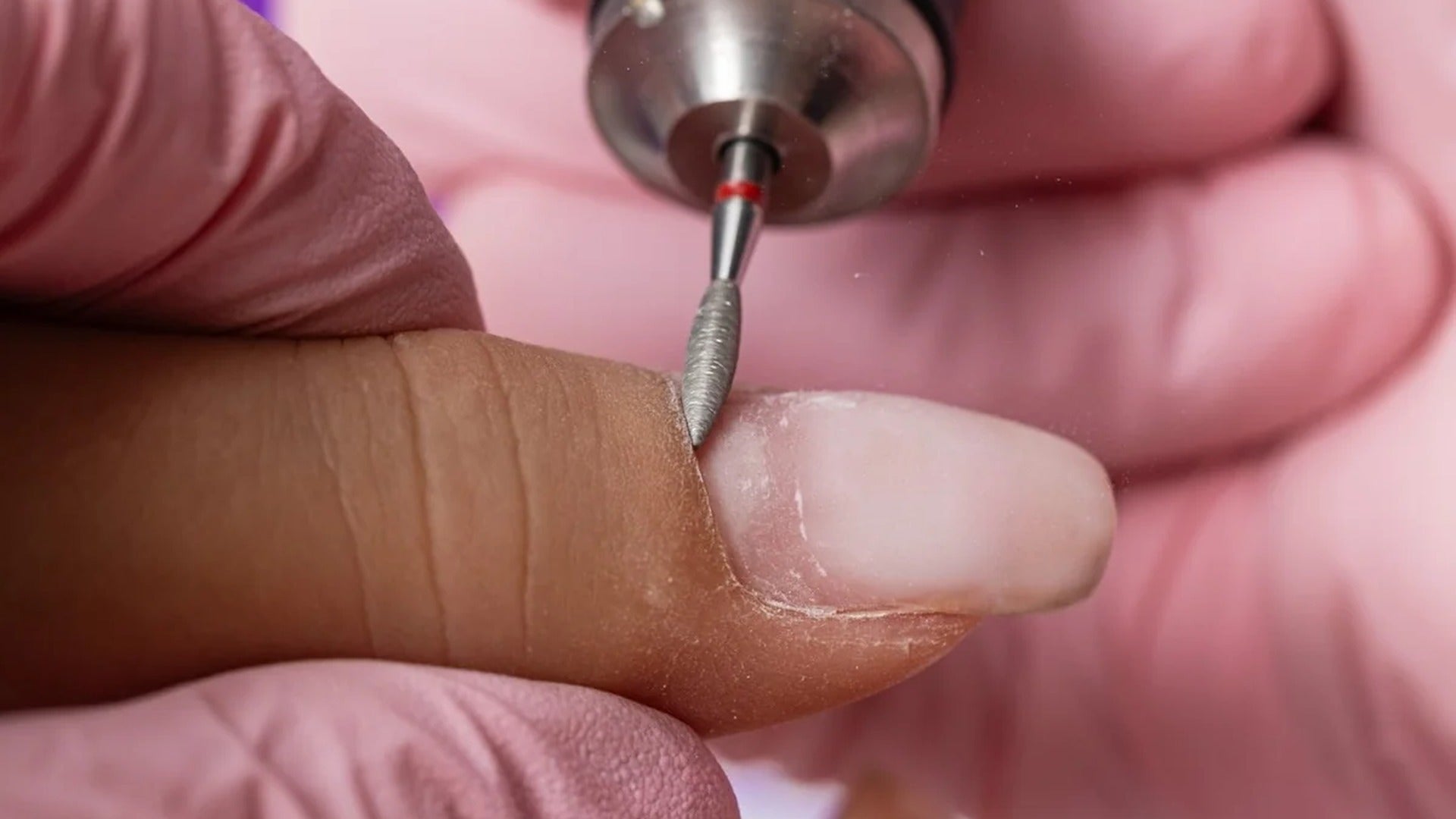
The first basic division of bits is bits with a flat surface, used on the plate, and bits with rounded surfaces, which are suitable for working on the skin. In our range you'll find bits with both flat surfaces and rounded ones. With bits such as a cylinder, truncated cone or cone, you'll beautifully clean the plate of cuticles. With bits such as a ball, pear or rounded cylinder, you'll perfectly remove the calloused frills on the proximal fold and the lateral folds.
Doing a manicure with a single bit is also possible. For example, a skilfully used teardrop will precisely lift the fold, clean the pocket and, as a bonus, work to remove the resulting frill.
How to work with bits?
The flat surface of the bit should always be laid flat, parallel to the plate. This means you must constantly change the position of the bit while working. Any angle other than parallel risks creating grooves on the nail surface or thinning it, which can cause damage.
Working with rounded bits means working on the skin. In this case you should work with them parallel, smoothing or shaving off the fold of the horny layer. Why don't we recommend working with this type of bit on the nail? Because it's too easy to damage the nail surface with them. To sum up, which bits should you definitely not work with? Damaged, rusty or worn ones – with abrasive missing. The tool must not be chipped or uneven. Aside from damage, every bit is safe, provided you know what it's for and how to use it.
This article was created in collaboration with: Patrycja Nowak Plutecka, MSc Eng — NAIL STYLING INSTRUCTOR, Medical Sterilisation Technician, OHS Technician. Instagram: blingblingstudio_szkolenia FB: Bling Bling Studio Patrycja Nowak