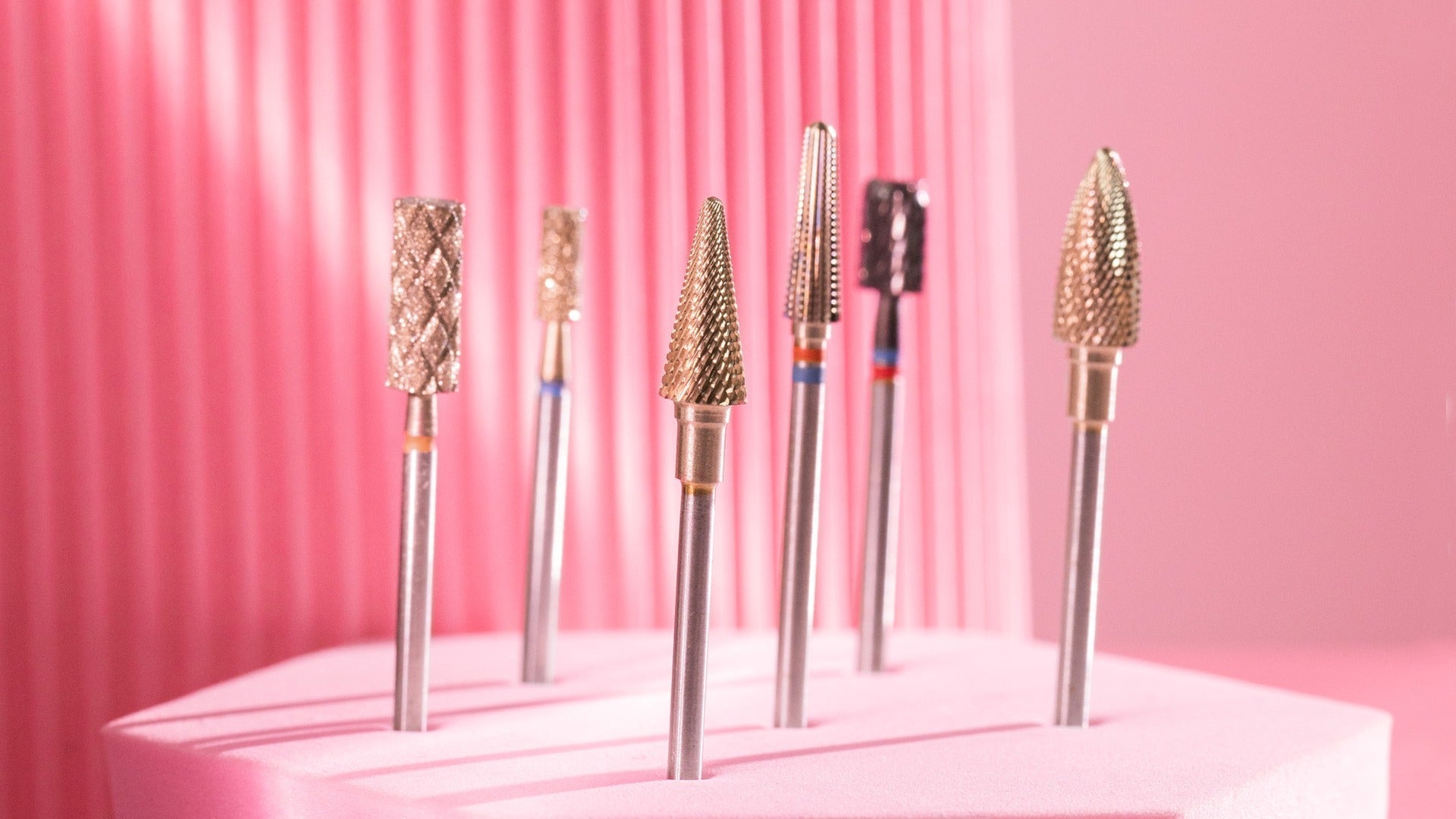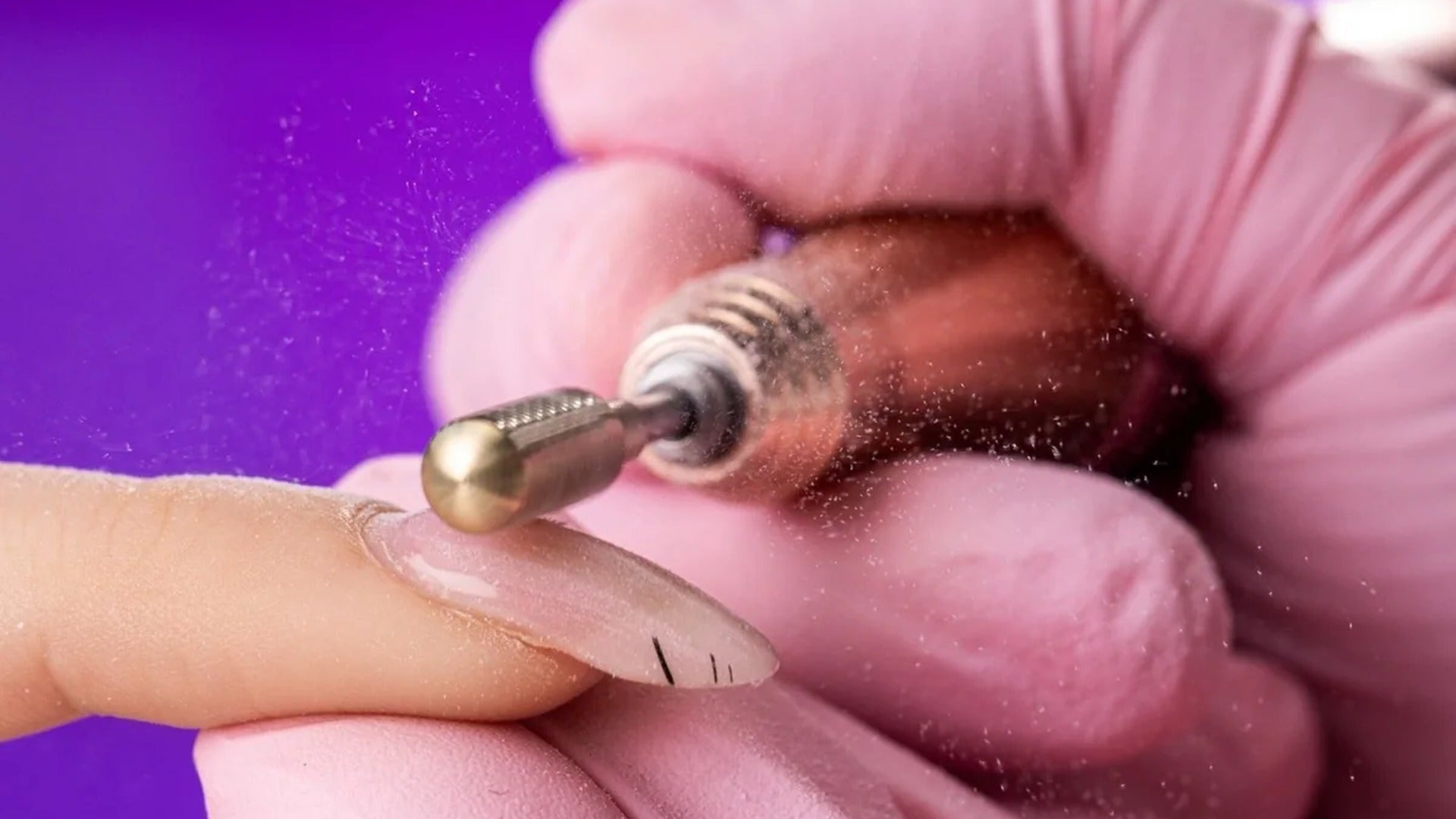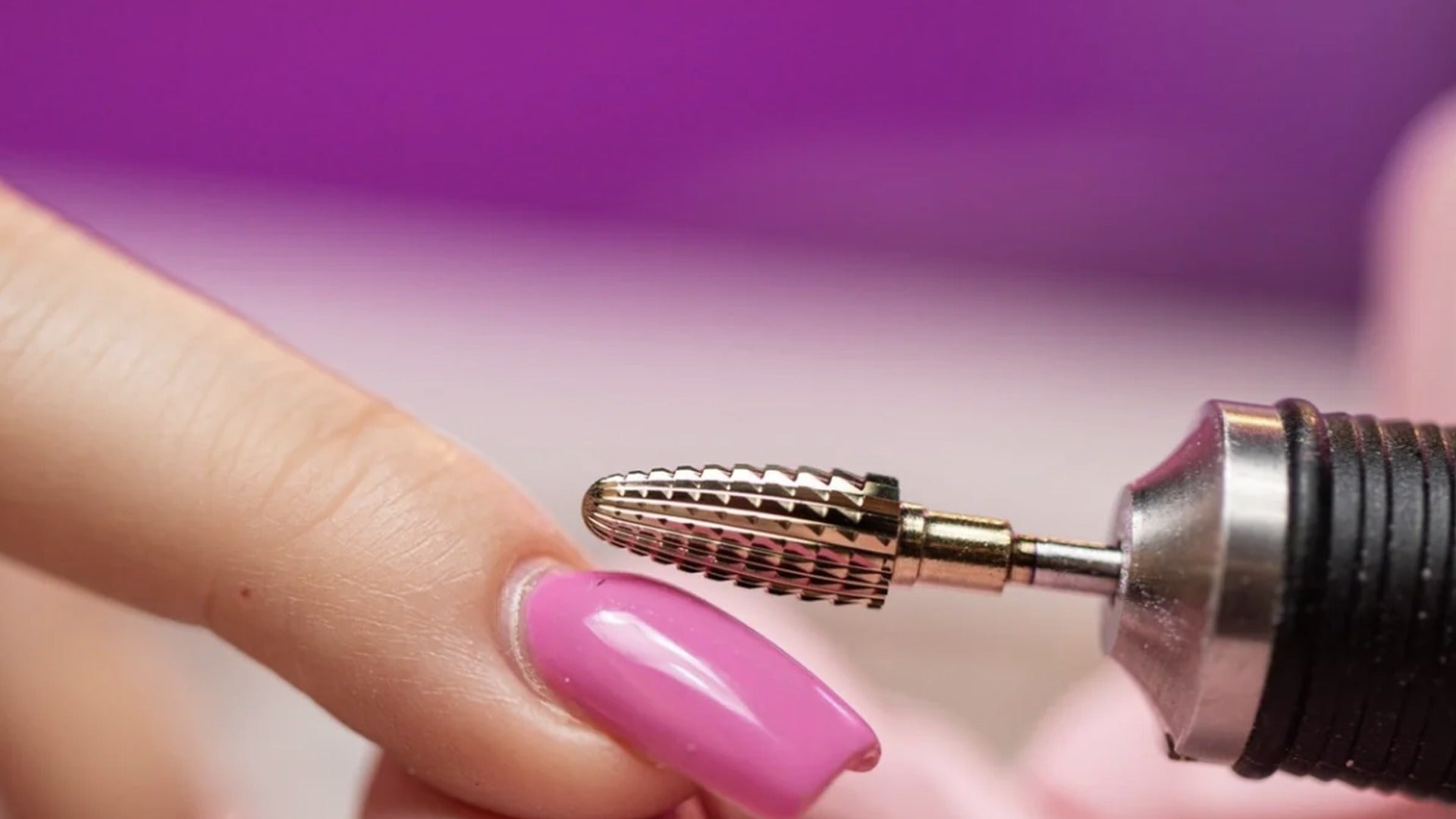
How to choose the right nail drill speed?
For beginner nail technicians, working with a nail drill — and especially choosing the right speed — can be a real challenge. In this post we'll clear up the whole process for you.
Working with a nail drill step by step
You match the drill speed to the task at hand and to the bits you'll be working with. Let's start with what matters most in a nail drill, namely torque.
What is torque?
Torque reflects the power of the nail drill and is expressed in newton metres. The higher its value, the more confident you can be that your drill won't let you down. Even at the lowest speeds it will handle the surface being worked on without stalling, even on the thickest cuticles.
How to work with a nail drill?
- Before you start working with the drill, make sure the bit is properly seated in the handpiece and that you have engaged the bit-locking mechanism.
- Adjust the rotation speed to your skills, to the size and type of bit, and to the type of nail drill you are working on.
- If you want to change the speed while working, you should first bring the drill down to zero rotations and then switch the direction of rotation depending on which way you want to work.
- When you have finished, clean the dust off the bits and sterilize them, then put the drill away in a safe place.